PAS 9980 Implementation & Risk-Based External Wall Assessment
Evidence-Led Investigations
PAS 9980 Implementation
Remediation Prioritisation
Project Overview
Gilfillan Murray Consulting Ltd was commissioned to support the implementation of PAS 9980 across a substantial residential property portfolio managed by a major housing provider. The instruction was undertaken during the industry’s transition towards risk-based external wall assessment and involved supporting the practical application of PAS 9980 across a diverse range of residential buildings.
The portfolio contained buildings of varying height, age and construction type, including traditional masonry construction, rainscreen façade systems, insulated render systems, balcony structures and buildings that had undergone previous refurbishment or remediation works. The objective was to establish a consistent approach to understanding external wall risk, prioritising investigations and supporting future asset management decisions.
The commission formed part of a wider programme aimed at improving understanding of façade construction, identifying buildings requiring further review and ensuring that future decisions were supported by evidence rather than assumptions.
Creating a consistent framework for understanding external wall fire risk
Supporting informed decision-making by linking construction evidence, intrusive investigations and fire safety considerations within a practical risk-based assessment methodology.
The Challenge
The buildings within the portfolio had been constructed over several decades and often contained multiple façade systems, differing material specifications and varying levels of available construction information.
In some cases, original drawings were unavailable. In others, intrusive surveys had identified construction arrangements that differed from historic documentation. Buildings also varied significantly in terms of occupancy profile, height, means of escape arrangements and the extent of active and passive fire protection measures already present.
The challenge was determining how to evaluate external wall fire risk consistently across the portfolio whilst recognising that individual buildings could not be assessed solely on the basis of material type or construction age. A methodology was required that could distinguish between buildings requiring immediate attention and those where available evidence supported a lower level of concern.
Our Approach
The commission focused on establishing a practical understanding of how individual external wall systems had been constructed and how those systems interacted with the wider fire safety measures present within each building.
Existing reports, surveys, certification records and management information were reviewed to identify gaps, inconsistencies and areas requiring further investigation. Where information was unavailable or incomplete, this was clearly recorded rather than assumed.
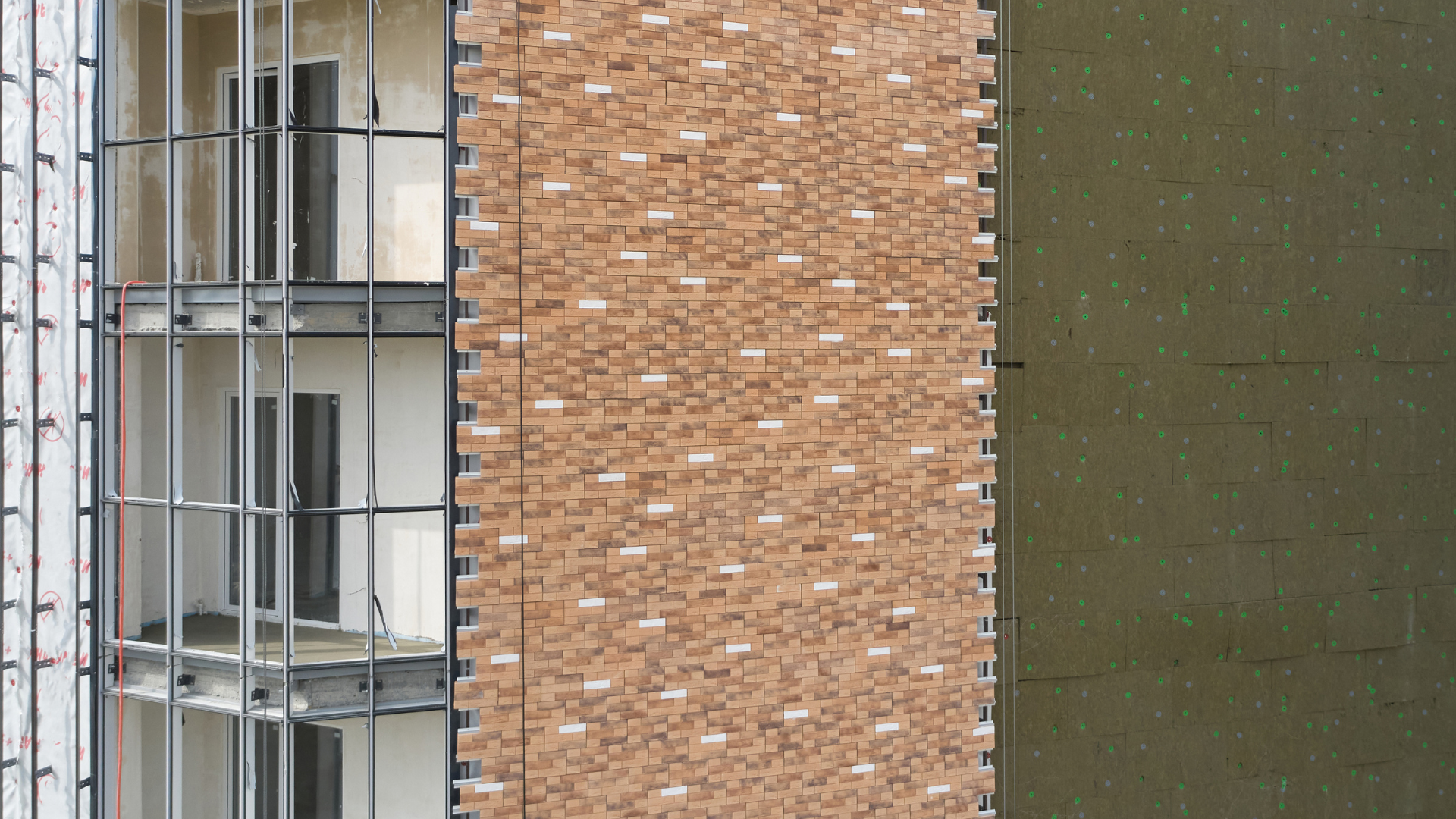
Particular attention was given to façade build-ups, insulation materials, cavity barrier provision, balcony construction, service penetrations and interfaces between external walls and compartmentation lines. Intrusive investigation findings were reviewed alongside historical construction information to establish whether the available evidence adequately represented the conditions present on site.
This approach allowed investigations to be directed towards areas of uncertainty whilst avoiding unnecessary intervention where sufficient evidence already existed to support a reasoned assessment.
Strategic Impact
The commission demonstrated the practical challenges associated with implementing a new risk assessment methodology across a large and varied residential portfolio.
Rather than treating external wall assessments as isolated technical exercises, the programme established a structured process for integrating façade information into wider building safety decision-making. This enabled external wall considerations to be evaluated alongside existing fire safety measures, management arrangements and planned investment programmes.
The work also highlighted the importance of targeted investigation strategies, helping move assessment activity away from broad assumptions regarding construction type and towards a more focused understanding of specific wall systems, construction details and potential fire spread mechanisms.
Outcomes
The programme provided the client with a clearer understanding of the construction and fire performance characteristics of the buildings within the portfolio.
The findings enabled future investigations to be prioritised more effectively, helped distinguish buildings requiring further assessment from those supported by sufficient evidence and provided a more informed basis for future remediation planning.
The review process also improved visibility of façade-related information across the portfolio, reducing reliance on historic assumptions and enabling future investment decisions to be linked directly to identified construction risks and available evidence.
Most importantly, the client gained a structured basis for managing external wall fire safety across a large residential portfolio without adopting a blanket approach to assessment or remediation.
